.png)
Why Most UK Innovator Founder Visa Applications Fail on Viability
- shree527

- 2 hours ago
- 3 min read
Most applicants worry that their idea is not “innovative” enough. In practice, many weak applications fail because the founder has not proved they can actually build and run the business.
For the UK Innovator Founder Visa, viability is not just about money in the bank. It is about execution. The endorsing body wants to see whether the founder has the skills, background, industry understanding and practical plan to make the business work in the UK.
Viability means founder fit, not only funding
A common misunderstanding is that viability means showing enough funds to start trading. Funding helps, but it does not answer the main question.
The real question is:
Can this founder realistically deliver this business?
That includes:
Relevant past work experience
Industry exposure
Technical or operational capability
Understanding of the UK market
A realistic route to launch
Clear knowledge of customers, competitors and risks
If the business plan reads well but the founder profile does not support it, the application becomes weaker.
For example, if someone proposes a fintech idea similar to a money-saving app like Plum, but their background is only in general finance, the endorsing body may ask a fair question: why are they the right person to develop this product?
Finance knowledge may help. But fintech also needs product thinking, user behaviour insight, regulation awareness, technology planning and the ability to build or manage a technical team.
Generic founders face a harder route
In 2026, a generic founder profile is likely to face more scrutiny. A broad statement like “I can manage the business” is rarely enough.
Endorsing bodies want a clear link between the person and the idea. That link can come from employment, entrepreneurship, sector knowledge, technical training, partnerships or direct exposure to the problem being solved.
A profile-linked founder is easier to assess because the story makes sense.
For instance:
A payments professional building a niche payment tool has a clearer fit.
A healthcare operator solving a patient booking problem has a clearer fit.
A logistics manager creating a delivery tracking product has a clearer fit.
The idea still needs to meet the visa route requirements, but the founder’s background gives the plan more weight.
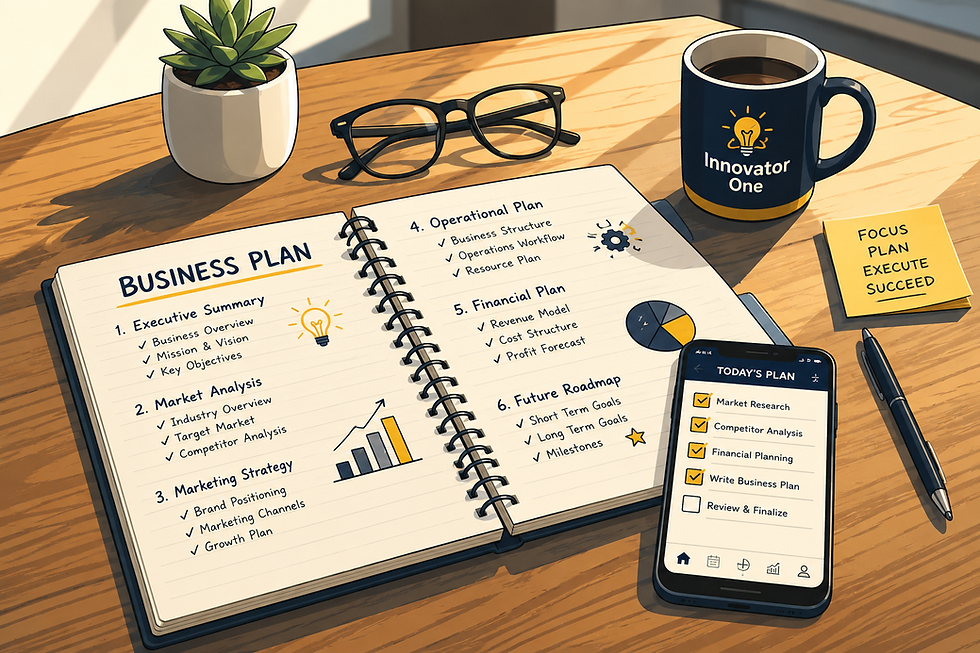
Your business plan must prove you as well as the idea
A weak plan describes the product. A stronger plan explains why this founder can make the product happen.
That means the plan should show:
What you have done before
This could include jobs, projects, businesses, qualifications or sector exposure that connect to the proposed business.
What you understand about the market
Show who the customer is, what problem they face and why existing options are not enough.
How you will execute
Explain who will build the product, how you will test it, how you will reach customers and what milestones make sense.
Where the risks are
Every business has risks. A serious founder can explain them clearly and show how they will respond.
The key test is credibility
Viability is a credibility test. The endorsing body is not just reading the idea. It is judging whether the founder, plan and market fit together.
That is why a polished business plan alone is not enough. The application needs to connect the dots between your past work, your proposed business and your ability to deliver in the UK.
If you are preparing for 2026, start by checking your profile-idea fit before writing the full plan. Ask whether your background naturally supports the business you want to propose.
If you want to check that fit, book free consultation with us, below.


Comments